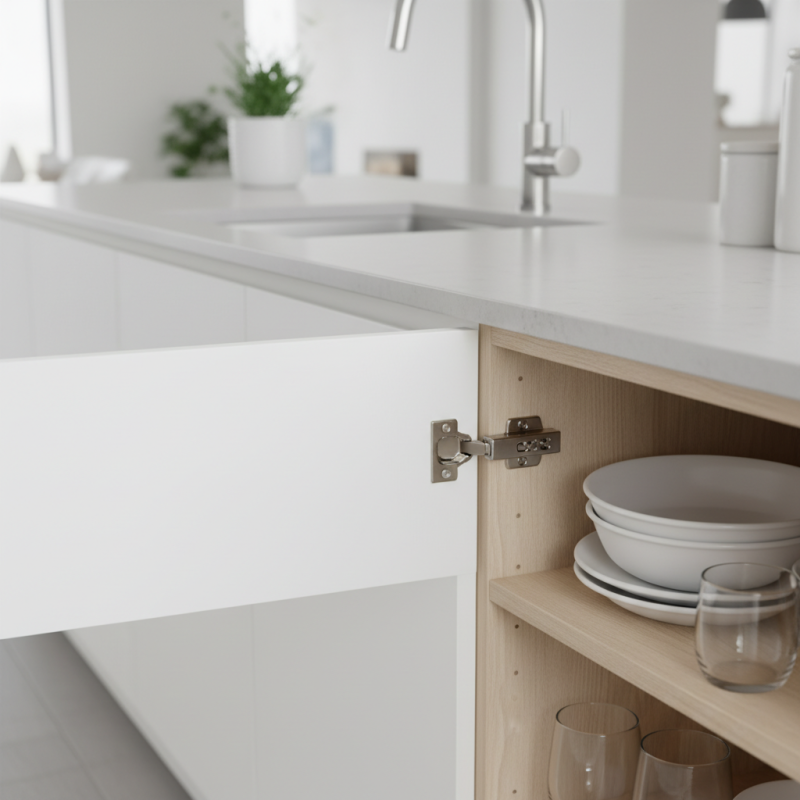
What is a Hidden Cabinet Hinge and How Does It Work?
Hidden Cabinet Hinges have become a popular choice in modern interior design. They offer functionality while maintaining a sleek appearance. These hinges are installed inside the cabinet, making them invisible when the doors are closed. This creates a clean and seamless look in kitchens, bathrooms, and living spaces.
However, understanding how a hidden cabinet hinge works can be challenging. It operates with a simple mechanism but requires precise installation. Misalignment can cause doors to stick or not close properly. Homeowners might overlook these details until issues arise.
Incorporating hidden cabinet hinges can elevate your decor. Yet, it’s crucial to choose the right type and ensure proper installation. Aesthetic appeal should not overshadow functionality. Balancing both elements is an art and deserves thoughtful consideration.
What Is a Hidden Cabinet Hinge?
Hidden cabinet hinges, also known as concealed hinges, are essential components for modern cabinetry. They enable cabinet doors to remain fully concealed when closed. According to industry reports, concealed hinges account for over 70% of the hinge market in residential furniture. This preference is driven by both aesthetics and functionality.
Their design allows for a clean look, eliminating visible hardware. This seamless appearance is popular in contemporary kitchens and bathrooms. Hidden hinges typically feature adjustable mounting options, providing flexibility in installation. Many models also allow for self-closing mechanisms, enhancing user convenience. However, not all hidden hinges are created equal. Some may require precise installation to function correctly. Misalignment can lead to issues like door sagging or sticking.
The choice of material can also affect durability. Higher-quality metals withstand daily use better than cheaper alternatives. It's a point often overlooked by consumers. Many have experienced frustration when hinges wear out prematurely. Research indicates that using solid brass or stainless steel can prolong the lifespan of these hinges significantly. Investing in quality hinges may save money in the long run.
The Different Types of Hidden Cabinet Hinges
Hidden cabinet hinges are essential for modern cabinetry. They provide a clean, streamlined look while keeping the doors functioning smoothly. There are several types of hidden cabinet hinges available, each suited for different applications.
The most common types include concealed hinges, European hinges, and soft-close hinges. Concealed hinges remain hidden when the cabinet door is closed. This design maximizes aesthetics and is often used in contemporary kitchens. European hinges allow for easy adjustment, making installation simpler. Soft-close hinges prevent slamming, promoting quieter operation. Industry data shows that soft-close features have increased in demand by over 30% in the last five years, reflecting a consumer shift towards quieter home environments.
Tips: When choosing hidden hinges, consider weight and door thickness. Not all hinges support heavy doors. Also, installation quality matters. Poor installation can lead to misalignment.
Consider the material of the hinge as well. Some metals may corrode over time, impacting functionality. It’s essential to choose quality materials when feasible. While many options exist, not every type serves every purpose. Testing different hinges may yield unexpected results.
How Hidden Cabinet Hinges Function Mechanically
Hidden cabinet hinges are fascinating mechanisms that enhance the aesthetics of furniture while providing functionality. These hinges are designed to be concealed within the cabinet structure. This design keeps them out of sight, creating a seamless appearance. Unlike traditional hinges, they do not disrupt the cabinet’s exterior lines.
Mechanically, hidden cabinet hinges operate in a simple yet effective manner. When the cabinet door is opened, the hinge pivots on a concealed axis. This allows for a wide range of motion without compromising the cabinet’s visual appeal. The hinge often incorporates adjustable features, permitting fine-tuning of door alignment. However, installation can be tricky. Accurate measurements are crucial. Even a small error can result in misalignment.
Moreover, the materials used in hidden hinges impact their performance. High-quality metals resist wear over time. On the other hand, cheaper materials may lead to squeaking or functional failure. Users should regularly check the hinges for wear. Neglect could lead to a disappointing outcome. Hidden hinges are innovative, yet they remind us of the importance of maintenance.
What is a Hidden Cabinet Hinge and How Does It Work?
| Feature | Description | Mechanism | Applications |
| Concealment | Designed to hide the hinge from view when the cabinet is closed. | Uses a pivot mechanism that allows the door to swing open without visible hardware. | Commonly used in kitchen cabinets, furniture, and wardrobes. |
| Adjustment | Allows for easy adjustments in alignment and spacing. | Features screws for depth, height, and side adjustments without removing the hinge. | Used in cabinetry to ensure doors close flush and aligned correctly. |
| Durability | Constructed to handle frequent use without wear. | Made from materials like steel or brass for longevity. | Ideal for both residential and commercial applications. |
| Installation | Typically requires specific routing of the cabinet door and frame. | Usually installed with a simple drilling template for accuracy. | Facilitates easy DIY projects or professional installations. |
Benefits of Using Hidden Cabinet Hinges
Hidden cabinet hinges offer a sleek, modern look for furniture and cabinetry. They are designed to be concealed within the cabinet frame. This design allows doors to close flush with the surface, providing a clean aesthetic. The hidden nature of these hinges makes them ideal for minimalist and contemporary styles.
One major benefit is the increased space efficiency. With these hinges, cabinets can be designed with no protruding hardware. This maximizes usable space, especially in tight kitchens or bathrooms. Additionally, hidden cabinet hinges provide a smooth operation. They allow for a full range of motion, making it easy to open and close doors without obstruction.
Despite these advantages, installation can be tricky. Aligning the hinges correctly is often more challenging than standard options. Some may find themselves frustrated by the setup process, leading to uneven door placements. Those with little experience might need to reconsider their DIY skills. Hidden hinges, while beneficial, require patience and precision.
Installation Tips for Hidden Cabinet Hinges
When installing hidden cabinet hinges, precision is key. Start by measuring the cabinet doors and frames carefully. Use a level to ensure everything aligns perfectly. These hinges require specific placements for optimal function. A slight miscalculation can lead to frustrating gaps or misalignment.
Tip 1: Pre-drill holes for screws. This prevents wood from splitting. Make sure the drill bit is slightly smaller than the screw diameter. It simplifies the installation process and saves time.
Tip 2: Adjust the tension of the hinge after installation. This will ensure your cabinet doors close smoothly. Sometimes, the hinge might be too tight or too loose. Take a moment to test the door's movement. A little tweaking can make a big difference.
Be patient as you make adjustments. This process can feel tedious, but it pays off with a well-functioning door. If possible, ask someone for help. Having an extra pair of hands can make positioning easier. Don’t rush through it. Enjoy the satisfaction of a job well done.