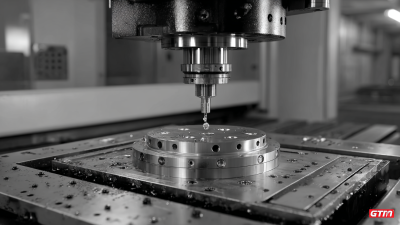
Top 10 CNC Machine Working Principles for Global Buyers?
In the fast-evolving landscape of manufacturing, CNC machines play a critical role. According to a recent report by Markets and Markets, the global CNC machine market is expected to reach $117 billion by 2027, growing at a CAGR of 6.5%. This growth underscores the importance of understanding CNC machine working principles for global buyers. Knowledge of these principles can lead to improved production efficiency and product quality.
CNC machine working involves several key processes, including precise cutting, drilling, and milling. These processes rely on computer-controlled systems to ensure accuracy and consistency. Insight from industry experts suggests that companies adopting advanced CNC technologies see productivity gains of up to 30%. However, not all buyers fully grasp the intricacies involved in operating these machines.
Understanding these complexities is vital for making informed purchasing decisions. A mishap in choosing unsuitable specifications can lead to inefficiencies and increased operational costs. The nuances of CNC operations deserve reflection, as they directly impact manufacturing outcomes. As the industry continues to innovate, staying updated on CNC machine working principles is not just beneficial; it is essential.
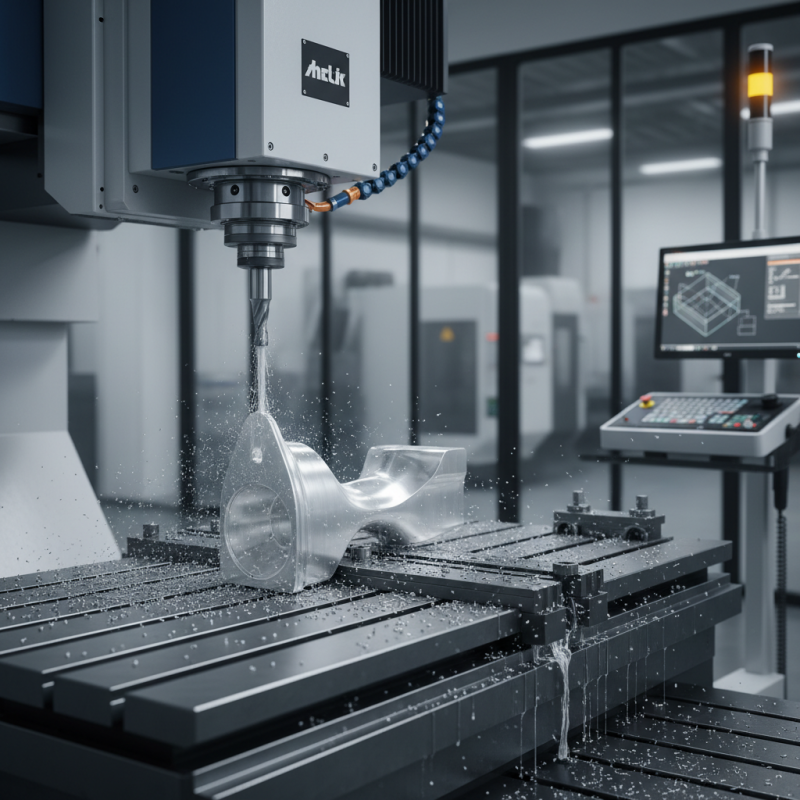
Understanding the Basics of CNC Machines and Their Operation
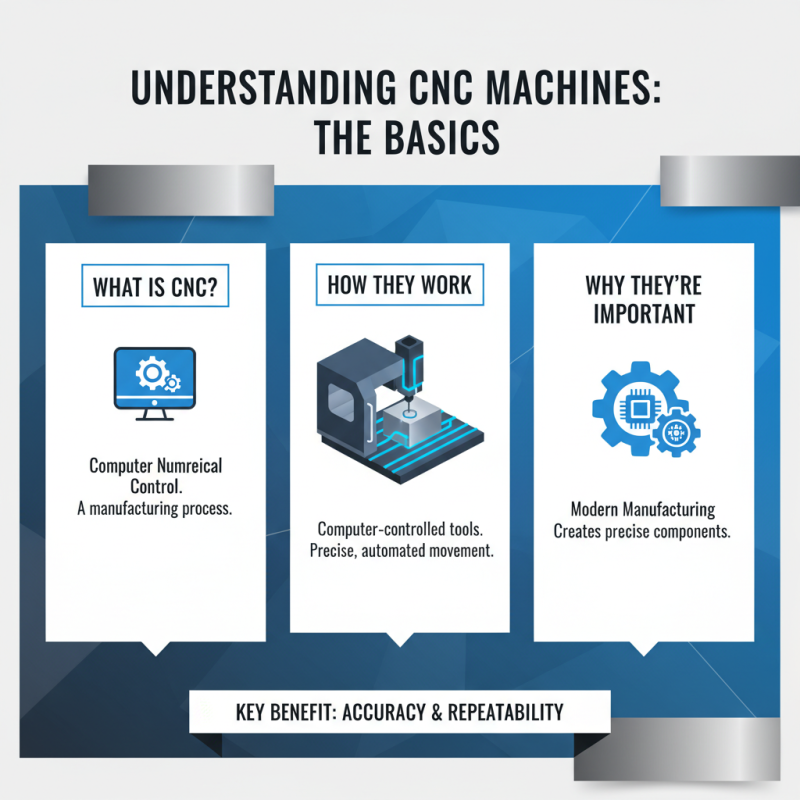
CNC machines are vital in modern manufacturing. They operate by using computer-controlled tools to create precise components. Understanding how these machines work is crucial for buyers. CNC stands for Computer Numerical Control, which governs the machine's movement.
The process begins with a digital design. The design is converted into a CNC program, which the machine follows. It uses various tools to cut, drill, or engrave materials with high accuracy. Different types of CNC machines serve diverse purposes, from lathes to mills. Each has unique operating principles and applications.
While CNC technology is impressive, it can have drawbacks. For instance, setup times can be lengthy. Training personnel to operate these machines requires time and investment. Some operators may encounter challenges in troubleshooting errors. Buyers must weigh these factors against the benefits.
Key Components of CNC Machines and Their Functions
CNC machines rely on several key components that work together to achieve precision and efficiency. The most crucial part is the control unit. It translates design data into codes that guide the machine's movements. According to a report from Grand View Research, the CNC machine market is projected to reach $117 billion by 2027, showing the increasing demand for advanced control systems.
The drive system and motors play a significant role as well. These systems control the speed and position of the cutting tools. Servo motors are commonly used because of their high accuracy and quick response rates. A study from the National Institute of Standards and Technology (NIST) highlights that precision in motion control is vital, impacting the overall output quality.
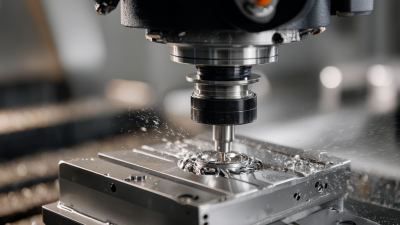
Another important element is the spindle. It holds the cutting tool and rotates at high speeds for effective material removal. The design and type of spindle can vary, influencing performance and durability. Despite advancements, many machines still face challenges related to heat management and wear over time. Continuous improvement is essential to enhance reliability and production quality in the CNC industry.
Top 10 CNC Machine Working Principles for Global Buyers
| CNC Machine Type | Working Principle | Key Components | Functions |
|---|---|---|---|
| CNC Milling Machine | Rotary cutter removes material | Spindle, Table, Controller | Cutting and shaping materials |
| CNC Lathe Machine | Material rotates, cutter moves | Chuck, Tool holder, Tailstock | Turning and shaping cylindrical parts |
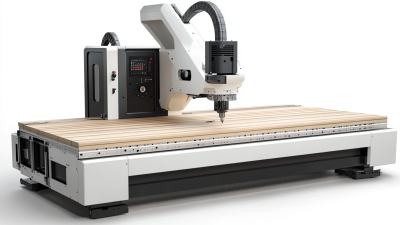
| CNC Router | Moves tools along multiple axes | Router, Worktable, Drive motors | Cutting, carving, engraving |
| CNC Plasma Cutter | Plasma arc cuts through materials | Plasma torch, Workpiece, Controller | Cutting metals with high precision |
| CNC Wire EDM | Electric discharge machining | Wire electrode, Workpiece, Power supply | Complex shapes in hard materials |
| CNC Laser Cutter | Laser beam cuts through materials | Laser source, Nozzle, Controller | High-speed and precision cutting |
| CNC Waterjet Cutter | High-pressure water jet cuts material | Pump, Cutting head, Garnet | Cutting any material without heat |
| 5-Axis CNC Machine | Simultaneous movements in five directions | Rotating table, Advanced controller | Complex geometries with high precision |
| CNC Vertical Machining Center | Vertical spindle for precise cuts | Vertical spindle, Tool changers, Table | High-efficiency part production |
| CNC Horizontal Machining Center | Horizontal spindle for improved airflow | Horizontal spindle, Tool changer | Efficient for various applications |
Principles of CNC Machining: From Design to Execution
CNC machining is a complex process that transforms digital designs into physical objects. It begins with a Computer-Aided Design (CAD) model. Designers create detailed blueprints using software. These models are crucial, as they guide the CNC machine in executing precise cuts and shapes. Every contour matters. Precision at this stage can determine the quality of the final product.
Once the design is finalized, the next step involves translating it into a language the CNC machine understands. This is done through Computer-Aided Manufacturing (CAM) software. The software generates a path for the cutting tools. Tool selection is critical, too. Different materials require different tools to ensure accuracy and avoid errors. While this sounds straightforward, miscalculations can lead to wasted material and time.
During execution, the CNC machine follows the programmed instructions. It moves through various axes with high precision. Many users overlook potential challenges here. Factors like tool wear and machine calibration can affect results. Regular monitoring and adjustments can minimize issues. Continuous learning is essential for operators to improve their skills and adapt to new technologies in CNC machining.
Top 10 CNC Machine Working Principles
Common CNC Machining Techniques and Their Applications
CNC machining integrates various techniques tailored for precision manufacturing. Commonly used methods include milling, turning, and electrical discharge machining (EDM). Each has distinct applications, impacting industries from aerospace to automotive. A 2022 report by Market Research Future highlights that the global CNC machining market will witness significant growth, predicting a CAGR of 7.89% through 2028. This data underscores the rising demand for efficient and accurate production processes.
Milling is prevalent for complex shapes. It utilizes rotating multi-edge cutters to remove material. This method is essential in creating parts like turbine blades. Turning, on the other hand, is ideal for cylindrical components. It employs a single-point tool to shape materials, making it crucial for axes and shafts. EDM effectively cuts intricate designs in hard materials. This technique also ensures minimal material waste.
Tip: Always assess the material type before selecting a machining method. Not every technique suits all materials. Consider operational costs versus specific requirements. Some processes may yield lower upfront costs but lead to higher long-term expenses due to inefficiencies. Understanding this trade-off is essential for sustainable practices in machining.
Factors Influencing CNC Machine Performance and Efficiency
CNC machines rely on various factors that significantly influence their performance and efficiency. A critical element is the quality of the materials used in the machine’s construction.
High-grade metals increase durability and longevity. In contrast, subpar materials can lead to breakdowns and lower accuracy.
Moreover, the precision of the machine's components, like spindles and drives, plays a vital role. For instance, research indicates that machines with high-precision spindles can achieve tolerances of
±0.005 mm. Inadequate calibration and maintenance can hinder precision, resulting in product defects. Regular assessments are essential to maintain performance over time.
Another noteworthy factor is the software controlling the CNC machine. Advanced software can enhance automation and allow for more complex designs without sacrificing speed. On the other hand, outdated software may lead to inefficiencies and increased operating costs. Continuous training for operators ensures they can navigate software updates effectively. Each of these factors requires attention to detail and continuous improvement to achieve optimal CNC machine operation.
Related Posts
-
Exploring the Versatile Features and Applications of the Best CNC Machines for Global Buyers
-
Exploring Top Strategies to Source Reliable Home Cnc Machine Suppliers Globally
-
Choosing the Right Manufacturer for Your Best Axis CNC Needs
-
Essential Guide: 10 Key Features to Evaluate When Choosing an Industrial CNC Machine
-
Exploring Opportunities for Multi Axis CNC Machine at the Successful 137th China Import and Export Fair
-
What is Cnc Machining Parts and How They Transform Modern Manufacturing