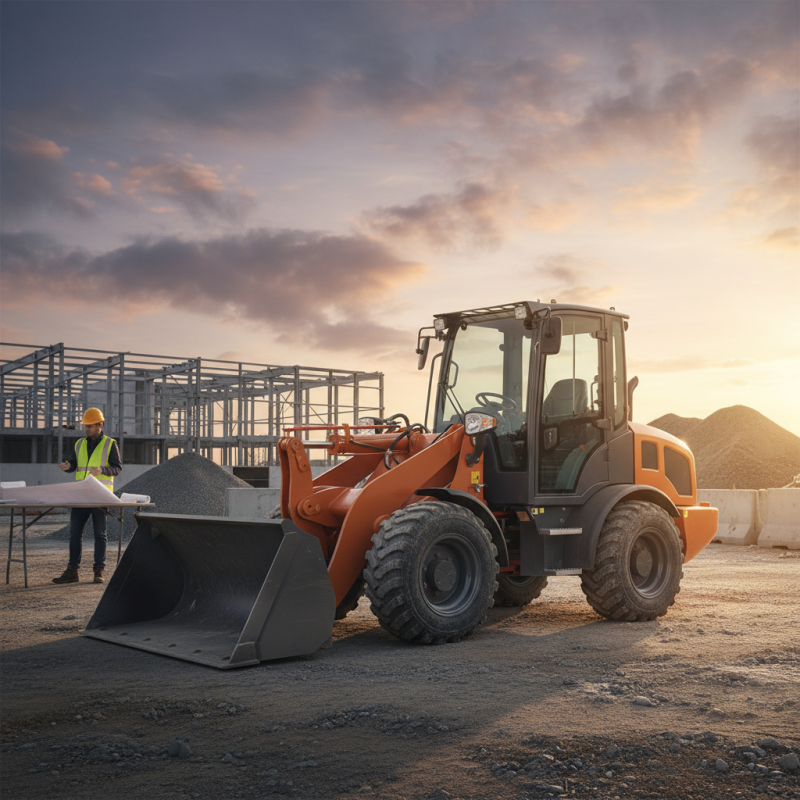
How to Choose the Best Compact Wheel Loader for Your Needs?
Choosing the best Compact Wheel Loader can be a daunting task. With so many options available, it's easy to feel overwhelmed. These machines are versatile and efficient, making them popular in various industries. They can handle tasks from loading materials to digging.
When selecting a Compact Wheel Loader, it's important to consider your specific needs. What will you be using it for? Different models offer various features, horsepower, and lifting capacities. This can greatly affect performance. Perhaps you need a machine that fits into tight spaces, or maybe one with higher capacity for bigger jobs.
You should also think about maintenance and support. Does the manufacturer offer reliable service? How easily can you find parts? Sometimes, buyers overlook these aspects, leading to frustration later. Investing in a Compact Wheel Loader is significant. Make sure you have the right information to make a thoughtful choice.
Understanding Compact Wheel Loaders and Their Applications
Compact wheel loaders are versatile machines found in many industries. They are particularly useful in construction, landscaping, and agriculture. According to industry reports, the compact wheel loader market is expected to grow by 5.6% annually through 2025. This growth reflects the increasing demand for efficient and maneuverable equipment in tight spaces.
Understanding their applications is crucial for effective selection. These loaders can handle various tasks, from moving materials to digging and lifting. However, many operators overlook the importance of assessing job site conditions. For instance, a heavy-duty model may be unnecessary for light landscaping work. In contrast, a smaller model might struggle in more demanding conditions. Operators should consider weight capacities and operating heights when making a decision.
Additionally, not all compact wheel loaders offer the same features. Features like quick attach couplers can enhance versatility. Yet, not every machine has optimal visibility, which can affect operator safety. Reports indicate that poor visibility is a common challenge in compact wheel loaders. Users should investigate these aspects before purchasing. Riding a loader that doesn't suit specific needs can lead to inefficiencies and safety issues. Proper research and consideration are essential for achieving the best results from your investment.
Key Factors to Consider When Selecting a Compact Wheel Loader
Choosing the right compact wheel loader is crucial for efficiency and productivity. When making a decision, focus on several key factors. The machine's operating capacity should align with the tasks you intend to perform. Reports suggest that loaders with a capacity of 1,500 to 2,200 pounds fit most small to medium jobs.
Another important aspect is the loader's dimensions. A compact model should easily navigate confined spaces. Widths typically range from 4 to 6 feet. This lets operators work in tighter areas without sacrificing stability. Pay attention to the turning radius too, as it impacts maneuverability. Some models feature a turning radius of less than 6 feet, enhancing their versatility.
Consider your specific attachments. Some loaders come equipped with various options like forks, buckets, or grapples. It is crucial to understand how often you'll need these attachments. Not every job requires specialized tools, which can lead to increased costs. Additionally, reflect on fuel efficiency, as this affects overall operational expenses. Reports show that efficient loaders can save up to 20% in fuel consumption, a significant factor for long-term use.
Evaluating Engine Power and Performance Specifications
When evaluating engine power and performance for compact wheel loaders, there are several critical factors to consider. Engine horsepower significantly affects operational efficiency. Industry reports suggest that most compact wheel loaders operate between 50 to 100 horsepower. This range is typically sufficient for small-scale construction and landscaping tasks. However, as projects scale, horsepower becomes a limiting factor. Larger or more demanding jobs may require loaders at the upper end of this spectrum.
Another key specification is the torque rating. Torque affects the loader's ability to handle heavy materials. Many models provide up to 300 ft-lbs of torque, which helps in moving earth or debris. Inadequate torque can lead to inefficiencies and increased wear on the machine. This is a common pitfall for users who underestimate their workload needs.
Additionally, consider the engine type. Diesel engines are famous for their durability and fuel efficiency, while gasoline engines often offer lower initial costs. Data suggests that diesel engines can achieve up to 25% better fuel economy. However, they are typically heavier, which may affect the loader's mobility. Balancing these factors can often feel overwhelming. It's crucial to reflect on your specific needs and potential future demands before making a decision.
How to Choose the Best Compact Wheel Loader for Your Needs? - Evaluating Engine Power and Performance Specifications
| Model | Engine Power (HP) | Operating Weight (lbs) | Bucket Capacity (cu yd) | Lift Height (ft) | Fuel Type |
| Model A | 60 | 4000 | 1.0 | 10 | Diesel |
| Model B | 75 | 4500 | 1.2 | 11 | Diesel |
| Model C | 50 | 3700 | 0.8 | 9 | Gasoline |
| Model D | 65 | 4200 | 1.1 | 10.5 | Diesel |
| Model E | 80 | 4800 | 1.3 | 12 | Diesel |
Assessing Loader Size and Maneuverability Requirements
When selecting a compact wheel loader, size and maneuverability are crucial factors. Understanding the specific dimensions of the loader is essential. A loader that is too large can hinder your ability to navigate tight spaces. Reports indicate that around 40% of job sites require precise maneuverability, especially in urban settings. Opting for a loader that fits well within your workspace can save time and increase productivity.
Maneuverability is often overlooked in the decision-making process. A machine with a shorter wheelbase and smaller turning radius can make a significant difference. Data shows that loaders with a wheelbase of about 80 inches can turn more sharply. This feature is vital for operating in confined areas, such as narrow streets or smaller construction sites. Additionally, having adequate visibility from the operator's seat enhances safety and efficiency.
However, larger loaders can bring more power. They are more capable of handling heavy lifting tasks. A loader that isn't powerful enough for your needs can stall operations, leading to delays. Striking a balance between size, maneuverability, and power is not straightforward. Ultimately, assessing the layout of your worksite and understanding the tasks at hand will guide your choice. Aim for a solution that aligns with your operational demands without compromising safety or efficiency.
Analyzing Attachments and Versatility Options for Your Needs
When it comes to choosing a compact wheel loader, versatility is key. The right attachments can significantly enhance productivity. For instance, using a bucket attachment can improve material handling by up to 30%. A research report from the Construction Equipment Association indicates that the proper use of attachments increases efficiency on job sites.
Tips: Consider the type of work you will do. Loading, lifting, or digging? Match attachments to tasks. Many operators overlook the importance of compatibility. This can lead to wasted time and resources.
Also, hydraulic attachments could expand your loader's capabilities. Options like hydraulic grapples or forks can make a loader more versatile, allowing you to tackle various tasks. Data shows loader productivity can increase by 40% with the right hydraulic attachments. However, some users might find themselves struggling with understanding compatibility standards. This is a critical area to refine knowledge. Focusing on this will save you from costly mistakes and inefficiencies.