Why Choose Carbide Drill for Your Manufacturing Needs?
In the realm of manufacturing, the choice of tools profoundly impacts efficiency and quality. Carbide Drills have gained significant recognition for their performance. Dr. Emily Carter, a renowned expert in machining technologies, emphasizes, "The strength and durability of carbide drills are game-changers in production settings."
Carbide drills are made from tungsten carbide, giving them superior hardness and wear resistance. These traits make them ideal for machining hard materials like stainless steel and titanium. Their longevity reduces the need for frequent replacements, cutting costs over time. However, some may overlook the investment in carbide drills due to their initial price point.
Choosing carbide drills also requires proper knowledge of speeds and feeds. Incorrect settings can lead to rapid wear or breakage. Thus, understanding the specific needs of your project is vital. Balancing cost and quality is an ongoing challenge for many manufacturers. Yet, with the right approach, carbide drills can optimize your production process significantly.
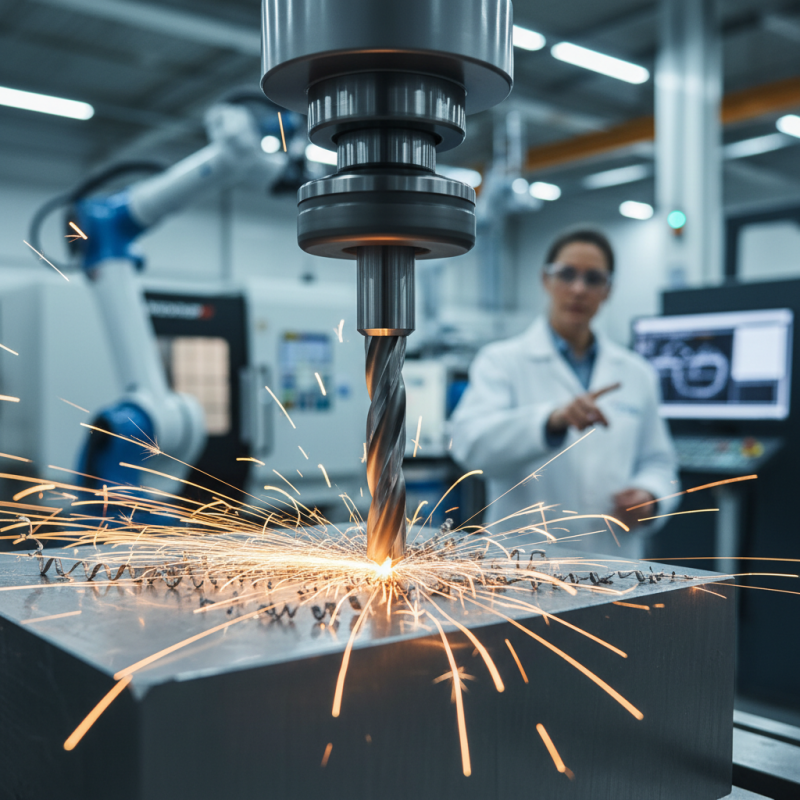
Advantages of Carbide Drills over Other Materials in Manufacturing
Carbide drills stand out as a top choice in manufacturing due to their superior properties. These tools are made from tungsten carbide, which offers exceptional hardness and wear resistance. This means they can maintain sharpness longer than HSS (high-speed steel) drills, resulting in increased productivity and lower replacement costs. The durability of carbide drills allows for deeper penetration and faster drilling speeds.
When selecting drills, consider the material of the workpiece. Carbide drills excel in hard materials like stainless steel and titanium. They provide cleaner holes with less burring, which enhances the overall quality of your manufacturing process.
Tip: Always match the drill bit's coating with the material for optimal performance. For example, a TiAlN coating enhances heat resistance, improving both the lifespan and efficiency of the drill.
It's essential to acknowledge that while carbide drills offer numerous benefits, they can be brittle. Mishandling or using incorrect feeds can lead to breakage. A careful approach is needed during operation.
Tip: Regularly check drill conditions and feeds to ensure you extract the best performance. Proper maintenance can make a significant difference in your results. Using carbide drills can initially require a higher investment, but the long-term savings and efficiency often justify the cost.
Durability and Longevity of Carbide Drills for Prolonged Use
Carbide drills are known for their exceptional durability and longevity. They can withstand high temperatures and resist wear from tough materials. This makes them ideal for various manufacturing applications. In settings where precision and efficiency are critical, carbide drills shine.
The toughness of carbide means they maintain sharpness longer than standard drills. Operators often notice fewer replacements are needed over time. Fewer replacements not only save costs but also minimize downtime. However, they do require careful handling to avoid chipping. Users must be aware of their limitations. Improper use can lead to decreased performance.
Maintaining the drills is just as important as choosing them. Regular inspections can help identify wear before it affects productivity. Even high-quality drills can show signs of fatigue. That’s a reality manufacturers must address. A balance between using carbide drills and maintaining them can greatly impact manufacturing success. A proactive approach ensures that durability translates into proper usage and longevity on the job.
Why Choose Carbide Drill for Your Manufacturing Needs?
| Feature | Carbide Drills | High-Speed Steel Drills | Cobalt Drills |
| Material Strength | Very High | Medium | High |
| Durability | Excellent | Good | Fair |
| Longevity (Drilling Time) | Longer | Medium | Medium |
| Heat Resistance | High | Medium | High |
| Cost | Higher | Lower | Medium |
| Common Applications | Aerospace, Medical | General Purpose | Metalworking |
Cost-Effectiveness of Carbide Drills in High-Volume Production
When it comes to high-volume production, cost-effectiveness is paramount. Carbide drills are becoming increasingly popular in manufacturing due to their durability and efficiency. Unlike conventional drills, carbide options can handle a wide range of materials, from steel to aluminum. This versatility reduces the need for multiple tools, thereby saving costs.
In a high-demand environment, the longevity of carbide drills shines through. They can withstand extreme conditions without wearing down quickly. As a result, manufacturers enjoy extended use and fewer replacements. However, the initial investment can be higher than other options. It's essential to weigh this against long-term savings.
Some manufacturers may overlook carbide drills due to this upfront cost. They might not see the value until they experience frequent tool failures. Investing in quality tools leads to minimal downtime in production. Yet, the shift to carbide requires a mindset change. Reflecting on your current processes may reveal opportunities for improvement. Adopting carbide drills could be a game-changer.
Versatility of Carbide Drills for Various Materials and Applications
Carbide drills are a crucial tool in manufacturing. Their versatility allows them to work with a range of materials, from metals to composites. According to a recent industry report, 70% of manufacturers favor carbide drills for precision work. This preference stems from their ability to retain sharpness while cutting through tougher materials.
In specific applications, carbide drills outperform high-speed steel drills. They can withstand higher temperatures without losing hardness. For example, when drilling through stainless steel, carbide drills increase efficiency by up to 30%, as mentioned in the Materials Science Journal. However, the initial cost of carbide drills is typically higher. This might cause hesitation for small manufacturers with tight budgets.
The adaptability of carbide drills is not without issues. They may chip or break under improper use, particularly in softer materials. This can lead to increased downtime and frustration. Ongoing training for operators can mitigate these challenges. It's essential to know when to use carbide drills effectively to maximize their benefits.
How to Choose the Right Carbide Drill for Your Manufacturing Needs
When selecting the right carbide drill for your manufacturing needs, understanding the material is essential. Carbide drills are known for their durability and strength. They can handle various materials, from metals to composites. However, not all carbide drills are suitable for every application. The specifics of your project play a crucial role in your choice.
Consider the type of material you will be drilling. Different compositions require different drill bit geometries. For example, high-speed steel drills may work well for softer materials but won’t be effective on harder substances. Think about the drill's coating as well. A coated carbide drill can enhance performance and prolong tool life. Yet, this added feature may not be necessary for less demanding tasks.
It’s also important to reflect on your drilling speed and feed rate. Carbide drills operate best at higher speeds. But, using them too quickly can cause wear. Make sure to test different settings to find the optimal balance for your specific processes. A trial-and-error approach may be required here. This initial investment in time will save you from costly mistakes down the line.

