
10 Best Forklift Pedestrian Detection Systems for Safety
In industrial settings, safety must be a priority, especially where forklifts and pedestrians coexist. The Forklift Pedestrian Detection System plays a crucial role in preventing accidents. These systems utilize advanced technology to monitor surroundings and alert operators of potential hazards.
Implementing a reliable detection system can significantly reduce risks. However, it is essential to recognize that no system is foolproof. Miscommunication or technical failures can still occur. Continuous training and evaluation are necessary for effectiveness. Facilities need to prioritize regular assessments of these detection systems to ensure optimal performance.
The best forklift pedestrian detection solutions are not just about technology. They require a commitment to safety culture in the workplace. By understanding their strengths and weaknesses, businesses can create a safer environment for both operators and pedestrians. Investing in a high-quality Forklift Pedestrian Detection System is a critical step in fostering a safer industrial landscape.
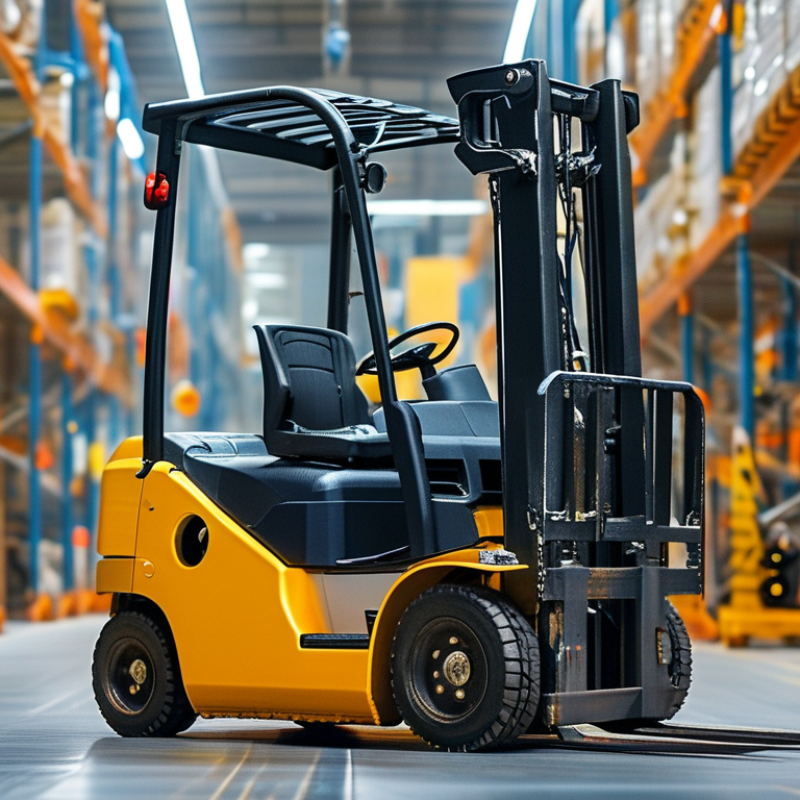
Overview of Forklift Pedestrian Detection Systems
Forklift pedestrian detection systems play a crucial role in ensuring workplace safety. These systems are designed to prevent accidents by detecting the presence of pedestrians in areas where forklifts operate. Many companies face challenges with visibility and awareness, making these systems essential.
It’s important to understand how these systems work. Most use sensors or cameras to monitor the environment. When a pedestrian enters a designated zone, the system activates alerts. These alerts can range from visual signals to auditory warnings, giving drivers and pedestrians necessary warnings. Regular training for staff on how these systems function is vital. Awareness can significantly reduce accidents.
Here are some tips for effective implementation. Ensure the detection system's location is optimal for visibility. Regular maintenance checks help avoid malfunctions. Take time to assess the layout of your workspace. Analyzing pedestrian and forklift traffic will help tailor the system to specific needs. Engage employees for feedback. They can provide insights on system effectiveness and areas that may require additional focus.
Importance of Safety in Forklift Operations
In the bustling environment of warehouses and industrial sites, safety is paramount. Forklifts are essential for moving heavy loads, yet they pose risks to pedestrians. Forklift operators must stay vigilant, and pedestrian detection systems can enhance safety significantly. These systems help identify nearby individuals, reducing the likelihood of accidents.
Introducing technology into forklift operations fosters a safer workplace. Yet, reliance on these systems requires thorough training and understanding. It's crucial for all workers to recognize their limitations. Sometimes, the technology may not detect a person due to blind spots or poor visibility conditions. Workers must remain aware of their surroundings at all times.
Despite advanced detection systems, human errors can still happen. Operators may become complacent, thinking technology will prevent all accidents. Regular safety drills and clear communication are essential. Encouraging a culture of safety means constant awareness, not just dependency on gadgets. Building trust in both technology and human vigilance is key to creating a safer environment.
Key Features of Effective Detection Systems
Forklift pedestrian detection systems are crucial for workplace safety. They help prevent accidents between pedestrians and moving forklifts. Effective systems should include key features like real-time monitoring and alert notifications. These capabilities allow for immediate responses to potential hazards. A system that alerts drivers and pedestrians ensures everyone’s safety.
Another essential feature is the integration of advanced sensors. These sensors should detect movement within a specified range. It's important that they work in various environments, such as warehouses and outdoor sites. The adaptability of sensors can greatly reduce blind spots. Furthermore, systems should have user-friendly interfaces. Operators need clarity on alerts and notifications to respond quickly.
Regular maintenance is often overlooked. A detection system not working at full capacity poses risks. Periodic checks can ensure that sensors are functioning effectively. Infrared or laser technologies might require adjustments over time. Continuous staff training is equally important. Engaging employees in safety practices helps create a culture of awareness and responsibility.
10 Best Forklift Pedestrian Detection Systems for Safety
Top 10 Forklift Pedestrian Detection Systems Reviewed
Forklift pedestrian detection systems are critical for workplace safety in industrial settings. According to industry reports, nearly 20% of workplace fatalities involve forklifts. Implementing effective detection systems can significantly reduce these incidents. Many systems utilize advanced technologies such as radar and camera-based sensors, ensuring pedestrians are detected promptly. These systems can improve situational awareness, allowing operators to respond quickly to unanticipated movements.
Regular maintenance and testing are crucial for these detection systems. A malfunctioning sensor can lead to accidents. Ensure that all systems are routinely checked to confirm they operate as intended. Communicate effectively with operators. They should understand how these systems work. Training can enhance the effectiveness of detection technology, bridging the gap between human awareness and machine sensitivity.
Employees should remain vigilant even with detection systems in place. Workers should stay visible to operators and avoid sudden movements. Creating a culture of safety that encourages communication and alertness is essential. Effective pedestrian detection technology complements this culture but cannot replace mindful practices. While systems are beneficial, human error can still occur. Continuous training and awareness are keys to a safer workplace.
10 Best Forklift Pedestrian Detection Systems for Safety - Top 10 Forklift Pedestrian Detection Systems Reviewed
| System Name | Detection Technology | Range (Meters) | Alert Type | Installation Type | Price Range (USD) |
|---|---|---|---|---|---|
| System A | Laser Sensor | 10 | Audio/Visual | Overhead Mount | 500 - 700 |
| System B | Camera-Based | 15 | Visual Warning | Dashboard Mount | 800 - 1200 |
| System C | Ultrasonic | 8 | Buzzer | Floor Mount | 300 - 500 |
| System D | Radar | 20 | Audio Alert | Wall Mount | 1000 - 1500 |
| System E | Infrared | 12 | Visual & Buzzer | Overhead Mount | 600 - 900 |
| System F | Hybrid | 18 | LED Display | Floor Mount | 900 - 1300 |
| System G | Laser Sensor | 11 | Audio/Visual | Overhead Mount | 400 - 600 |
| System H | Camera-Based | 16 | Visual Warning | Dashboard Mount | 700 - 1100 |
| System I | Ultrasonic | 9 | Buzzer | Floor Mount | 250 - 450 |
| System J | Radar | 22 | Audio Alert | Wall Mount | 1200 - 1800 |
Future Trends in Forklift Safety Technology
Innovations in forklift safety technology are vital. As warehouses evolve, pedestrian detection systems improve. These systems use various sensing technologies to ensure that operators and pedestrians can work safely side by side. The integration of cameras, radars, and LiDAR enhances the awareness of forklift operators. This ensures a safer working environment and minimizes accidents.
Regular training is essential for maintaining safety standards. Operators should understand how detection systems function. This understanding not only increases safety but fosters a culture of awareness. It is important to remind workers to stay vigilant, even with advanced technologies in place. Collision avoidance systems can fail or misinterpret situations, leading to potential hazards.
Consider periodic assessments of existing safety measures. Analyze data trends and system performance. Identify areas needing improvement or updates. Encourage feedback from operators about their experiences. Listening to their insights can lead to actionable changes. Safety is an ongoing journey, not a destination. Maintaining and improving technology requires continuous effort and commitment from all levels of a warehouse.